GBGB eyes centenary year with celebration of past and present
THE GBGB has launched the social media hashtag #CelebratingOurStadia with venues past and present to be featured.
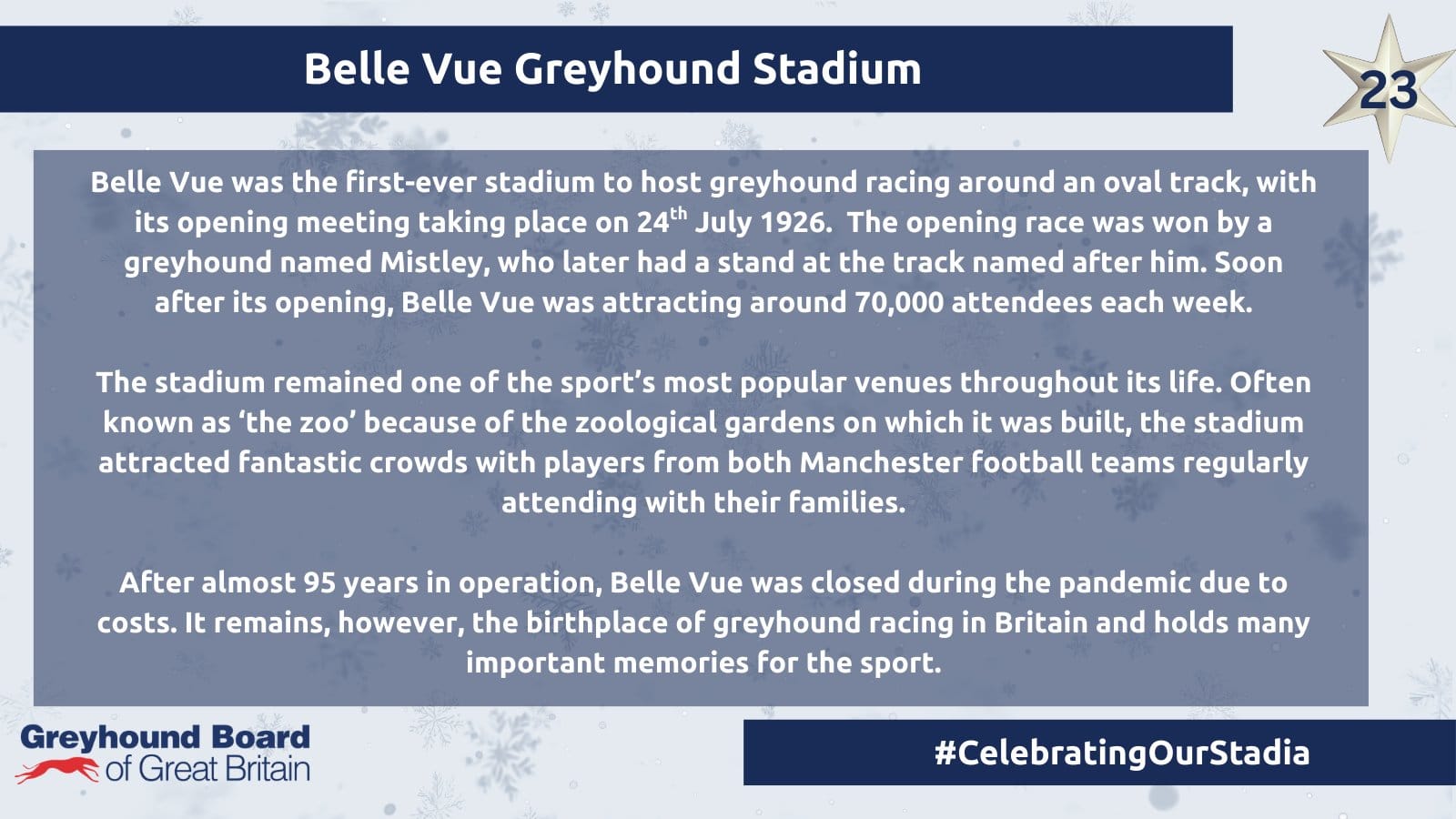
It comes ahead of the centenary year of greyhound racing in the UK in 2026, the first regulated meeting having taken place at Belle Vue in Manchester on July 24th 1926 when in excess of 1,700 spectators witnessed the inaugural 440 yards race won by a greyhound named Mistley.
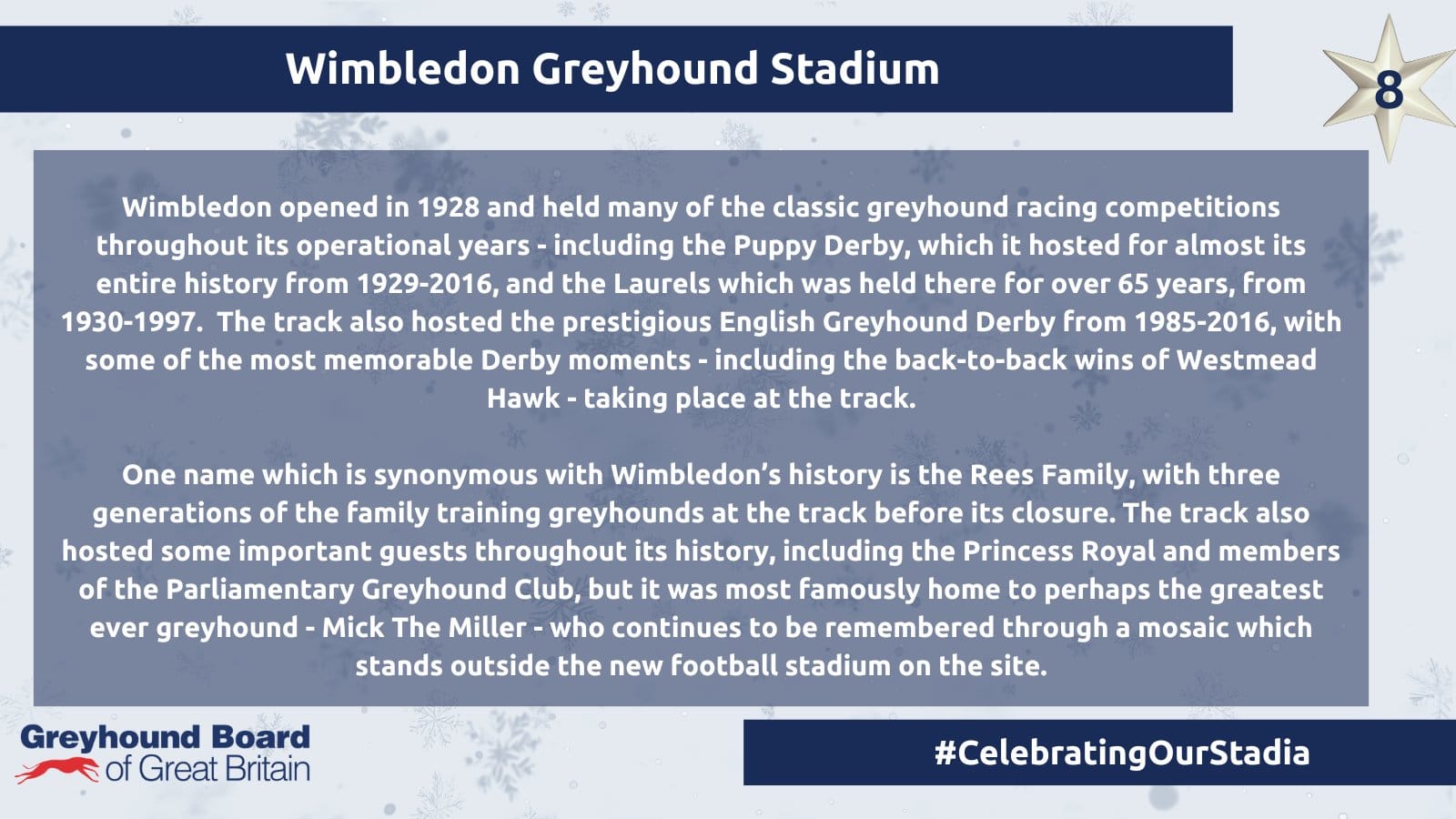
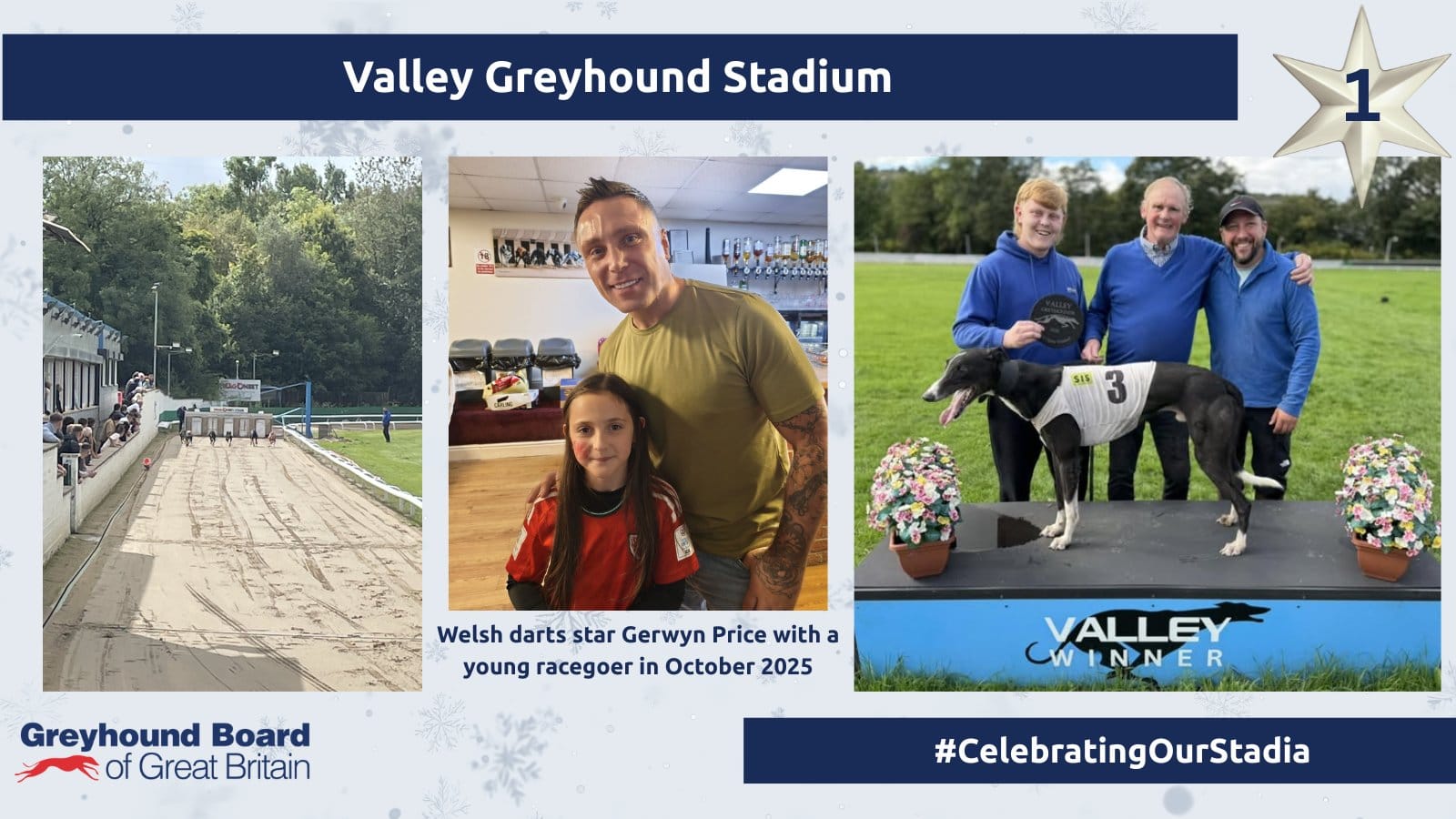
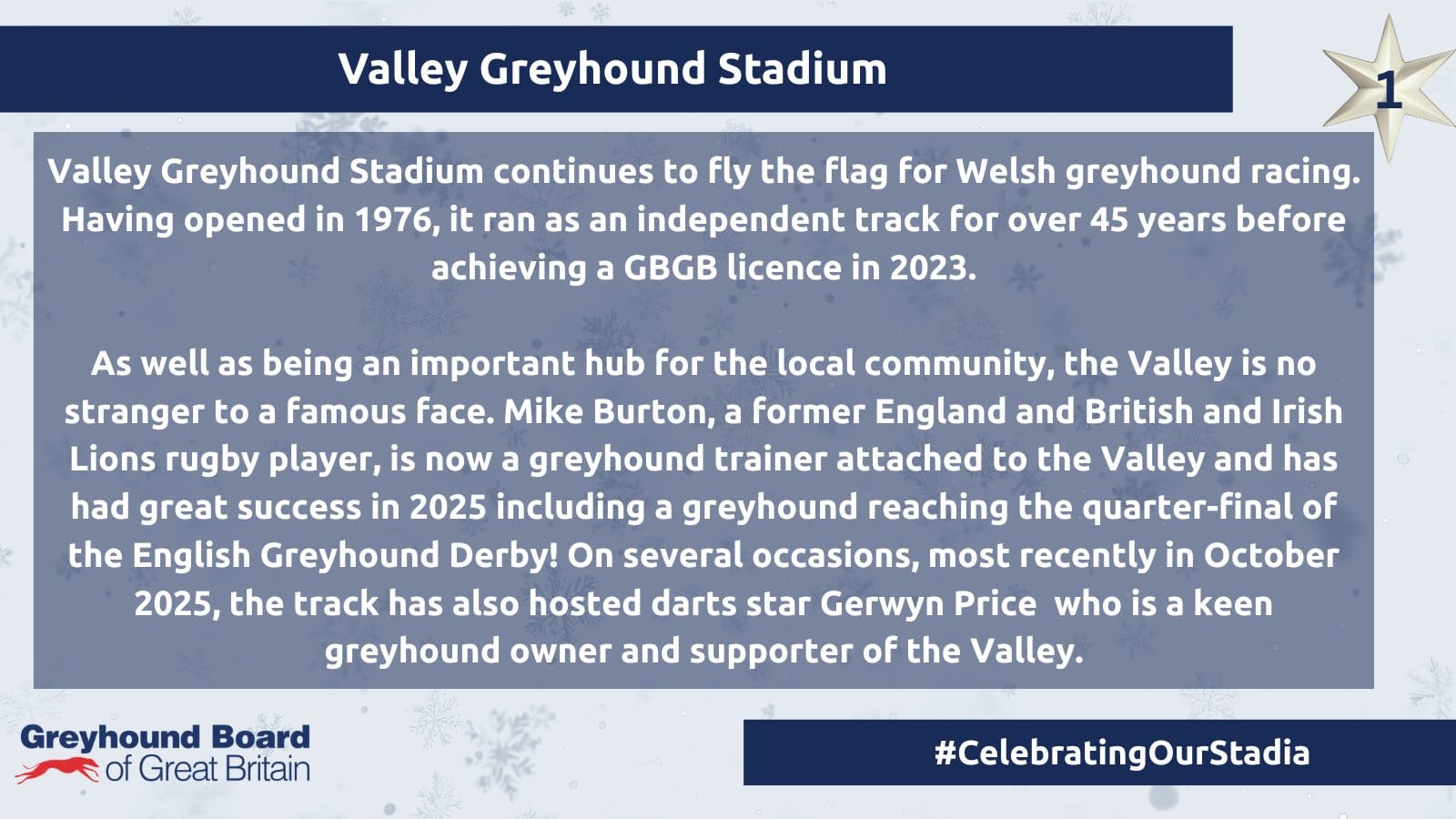
The series launched on Monday 1st December with Valley in Ystrad Mynach, the only greyhound stadium in Wales.
It features regularly on sisracing.tv with meetings on Wednesday and Thursday afternoons, Sunday mornings and occasional Saturday evenings.
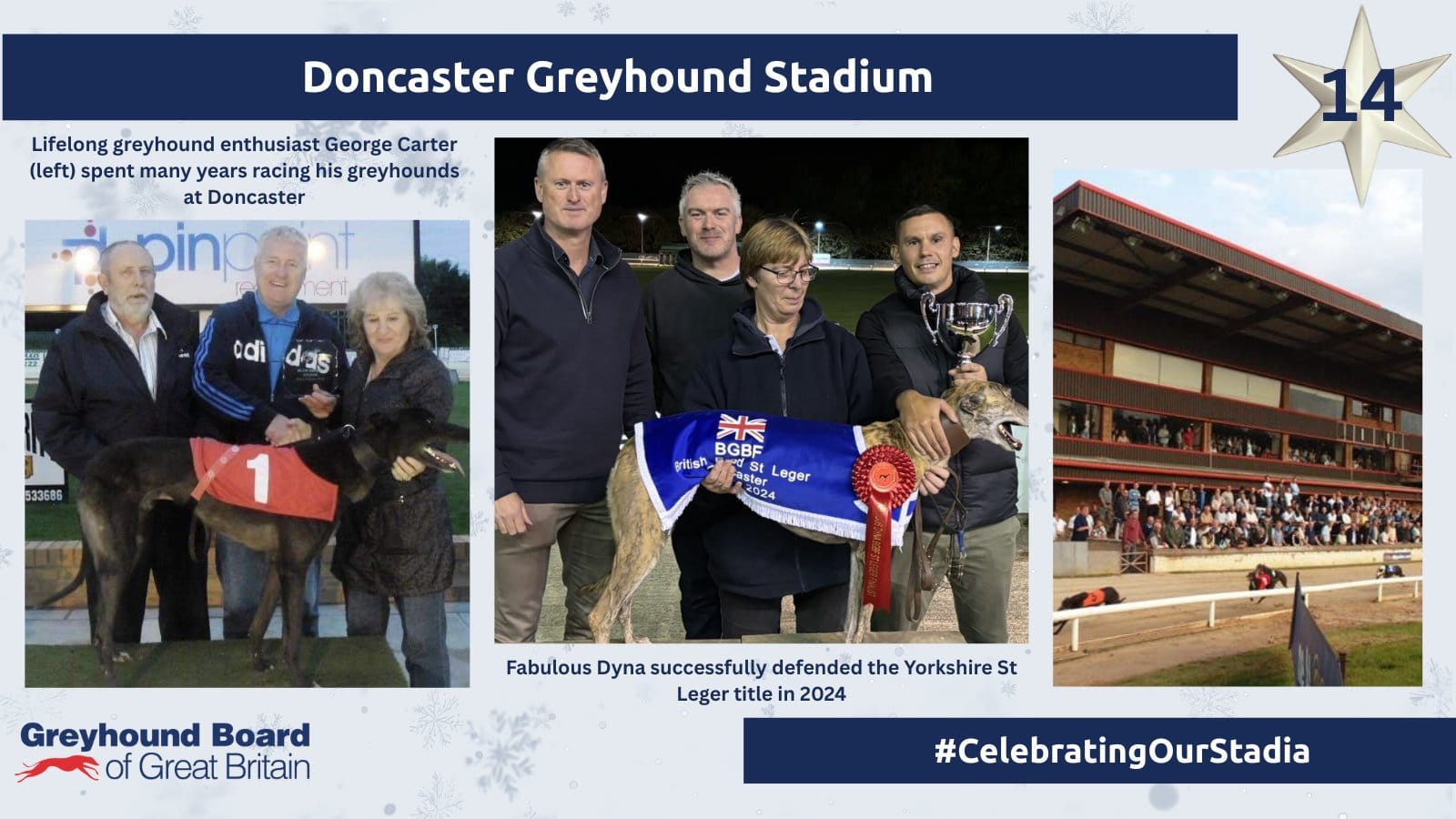
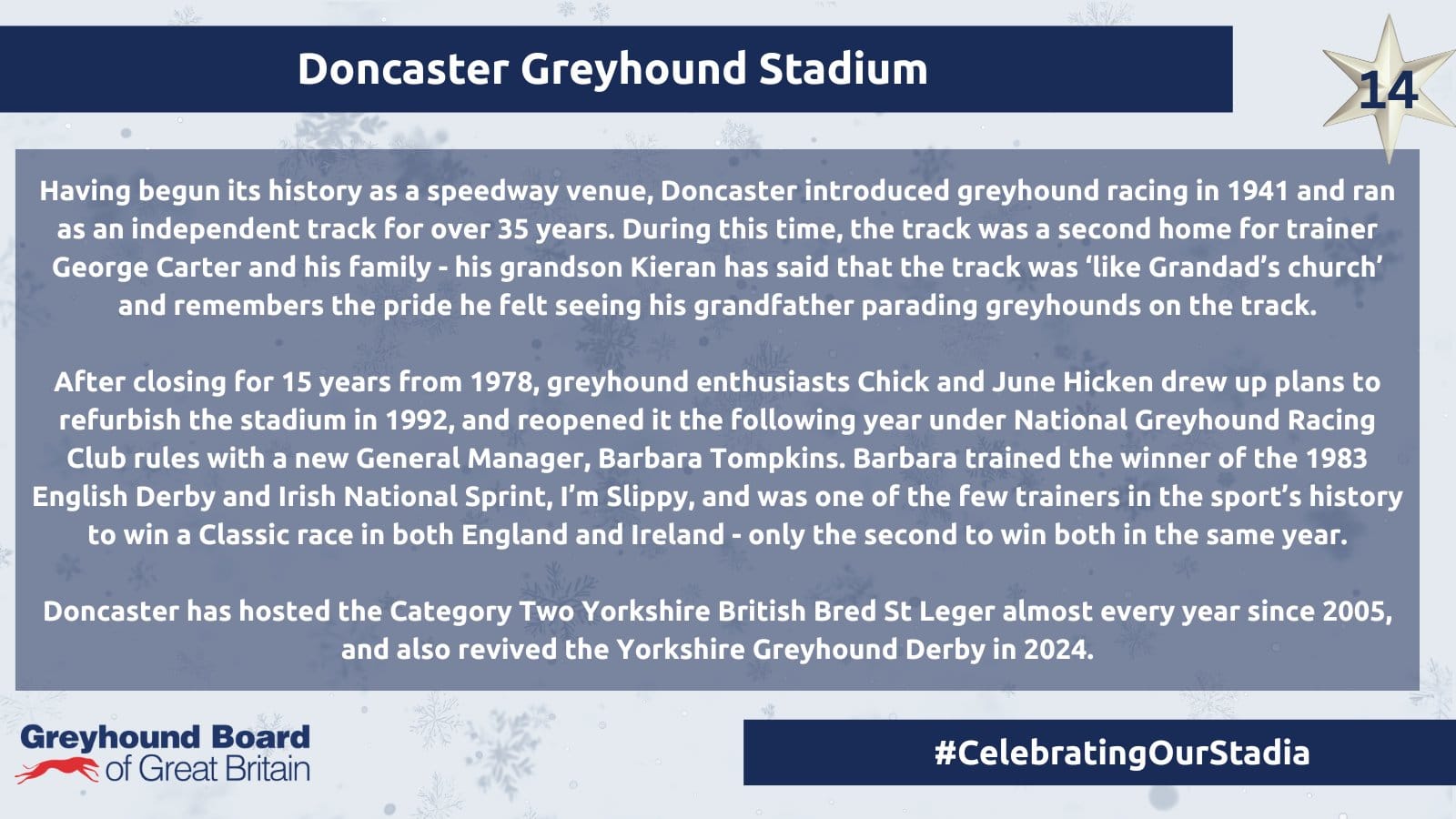
Doncaster, now in the ownership of the Watson family, has raced as a licenced venue for more than 30 years after being reopened by Chick Hicken as Stainforth in the 1990s. The Yorkshire Derby has recently been revived and it is the long-term home of the BGBF British Bred St Leger.
Doncaster is one of the busiest tracks in the country with five weekly meetings, morning and evening on Saturdays, Sunday morning plus Monday and Wednesday afternoons, all on sisracing.tv
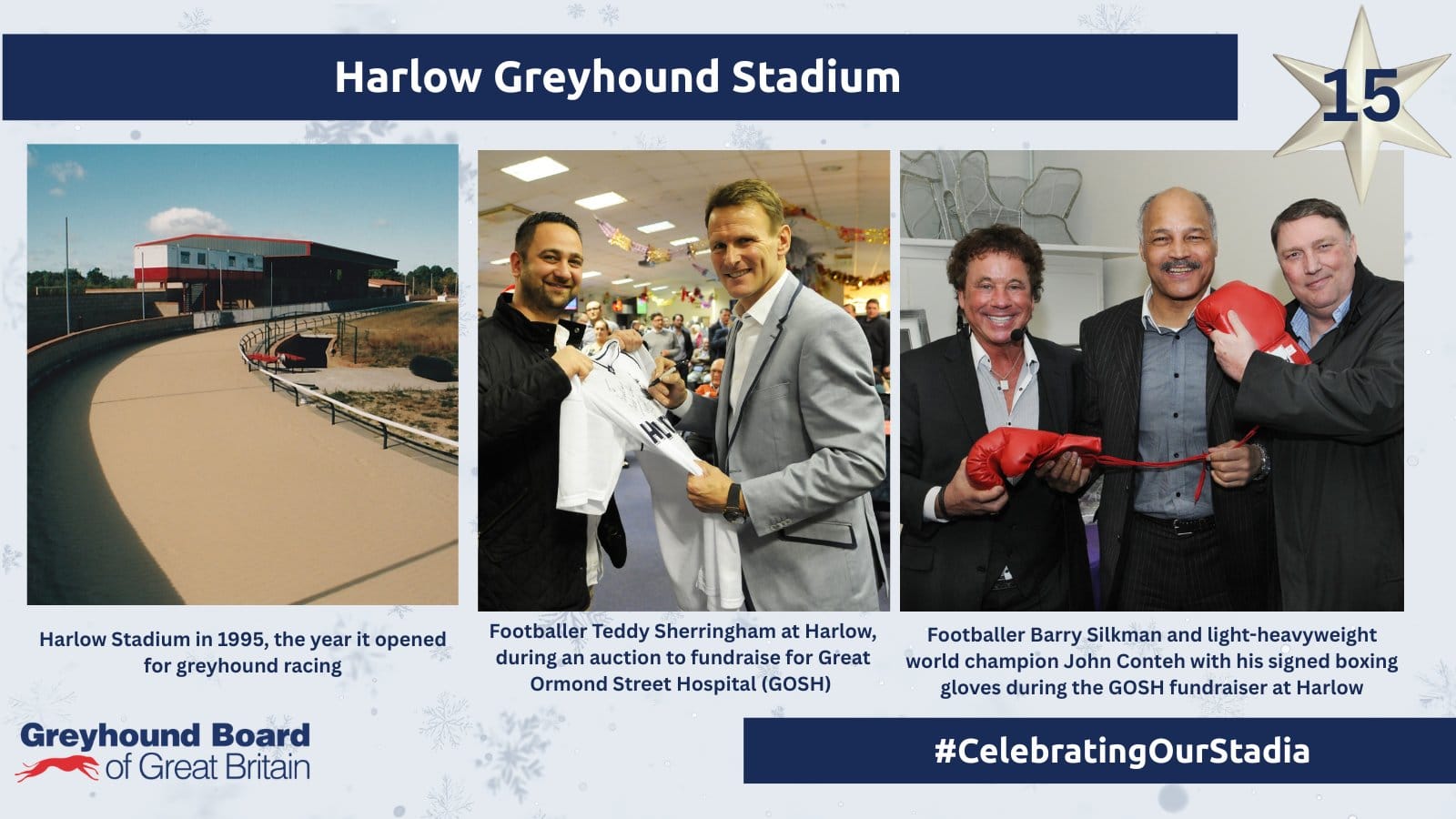
Harlow, under the long-term charge of Dave Barclay, is a relative newcomer having opened in 1995, perhaps benefitting from the closure of nearby Walthamstow in 2008 to the extent that multiple champion trainer Mark Wallis was attached there when winning the English Derby for the first time with Kinda Ready in 2009.
Seamus Cahill's English Derby champion Astute Missile was beaten into third behind Rubys Razzle in Harlow's Gold Cup final some two and a half months before his Towcester Classic success in 2017.
Harlow is even more active than Doncaster with six meetings on sisracing.tv a week, uniquely all morning/evening double-headers on Monday, Wednesday and Friday.
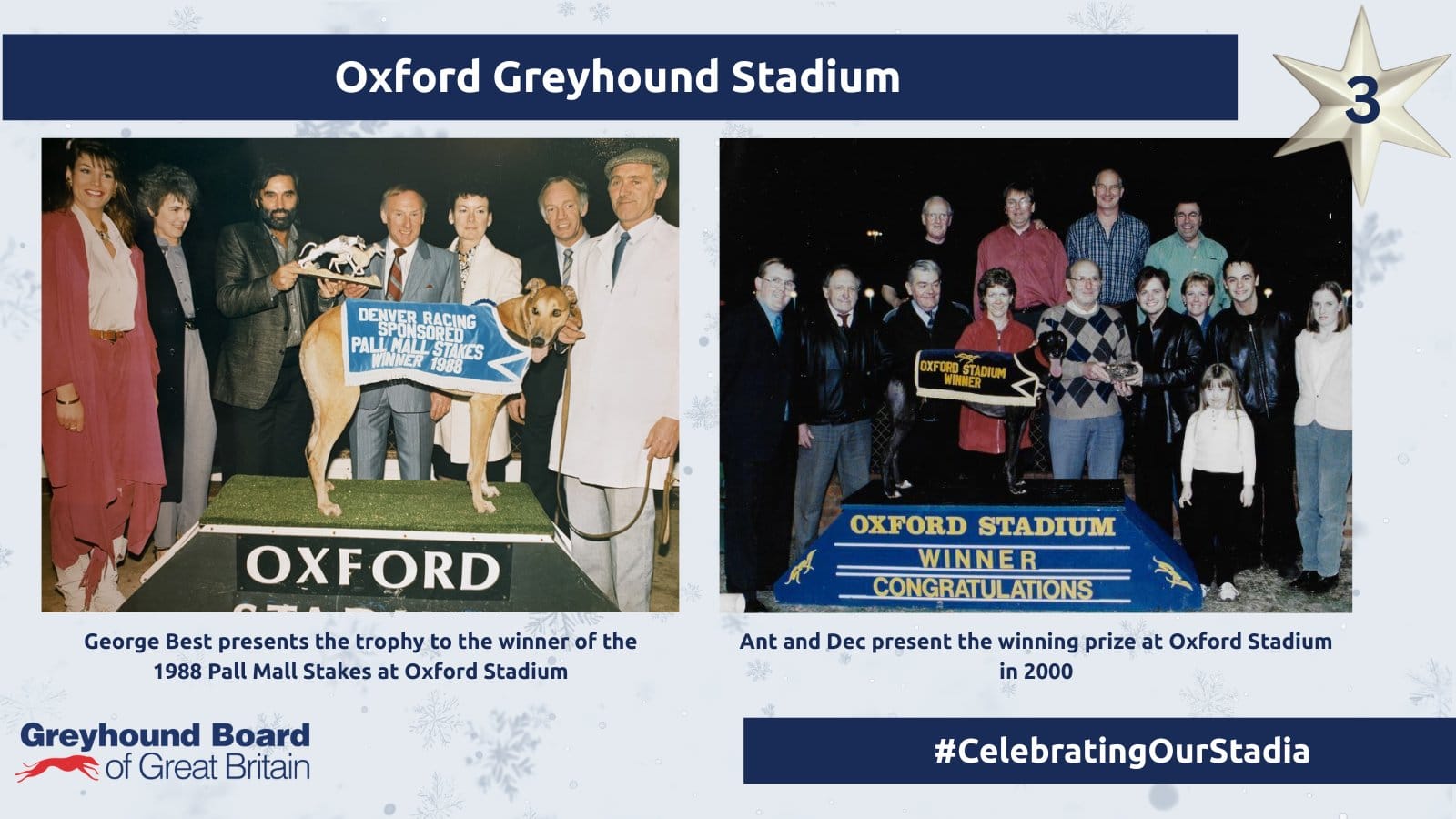
Oxford is one of the modern-day success stories in greyhound racing having been closed by the GRA in 2012 (not 2021 as graphic) but saved from redevelopment by a powerful local lobby group before eventually reopening ten years later.
Oxford currently stages greyhound racing on sisracing.tv on Tuesday afternoon, Thursday morning, Friday afternoon, Saturday evening with an open-race card on Sunday afternoon.
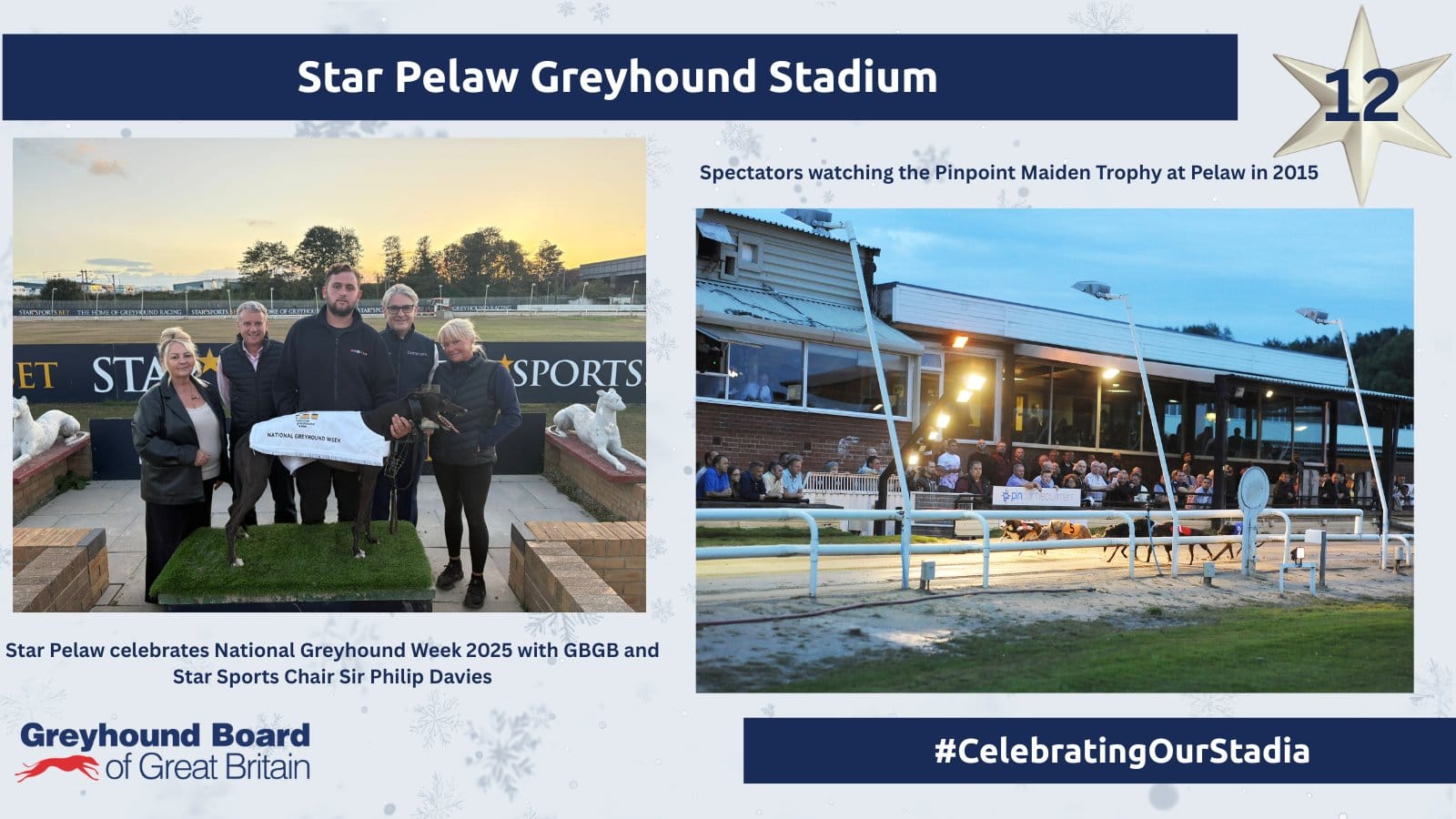
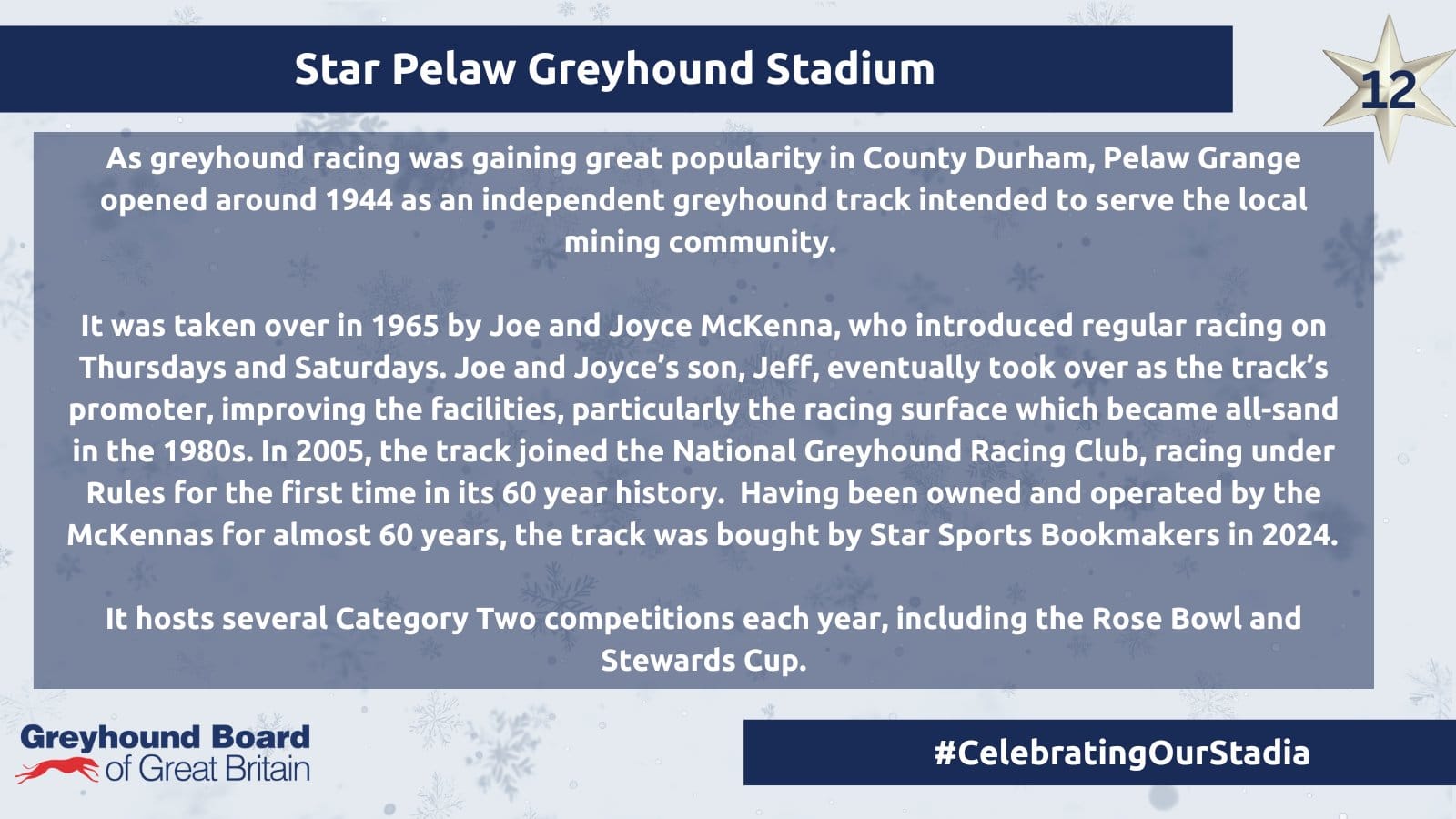
Star Pelaw, or Pelaw Grange as it was originally known, raced under independent rules for 60 years before switching to the NGRC, later GBGB, code.
Family-run by the cKennas until 2024, it has been the subject of serious investment since being purchased by Star Sports Bookmakers and is set to host a first Category One event in 2026 in the shape of the untold Racing Stewards Cup.
Star Pelaw races three times a week on Tuesday, Thursday and Sunday evenings with the occasional weekend switch to a Saturday.
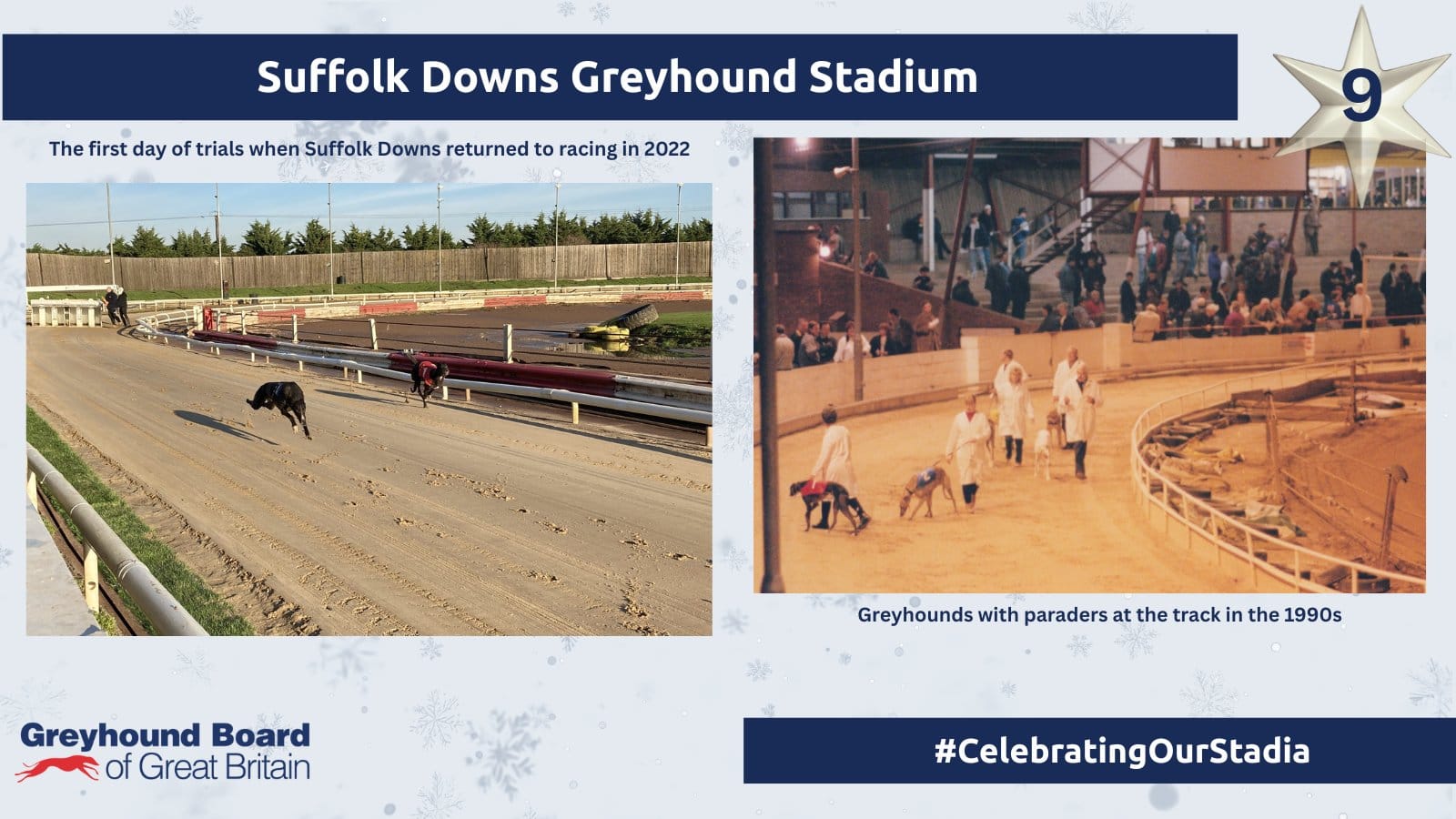
Suffolk Downs has had an even more roller-coaster recent history than Oxford, the originally-named Mildenhall venue having been closed for some four years until reopened for greyhound racing by Kevin Boothby under its new name in 2022.
Sadly, a devastating fire hit the track in 2024 and it was again closed until reopening in November this year, quickly building to a three meetings a week schedule on sisracing.tv on Monday and Friday afternoons plus an open-race card on Tuesday evenings.
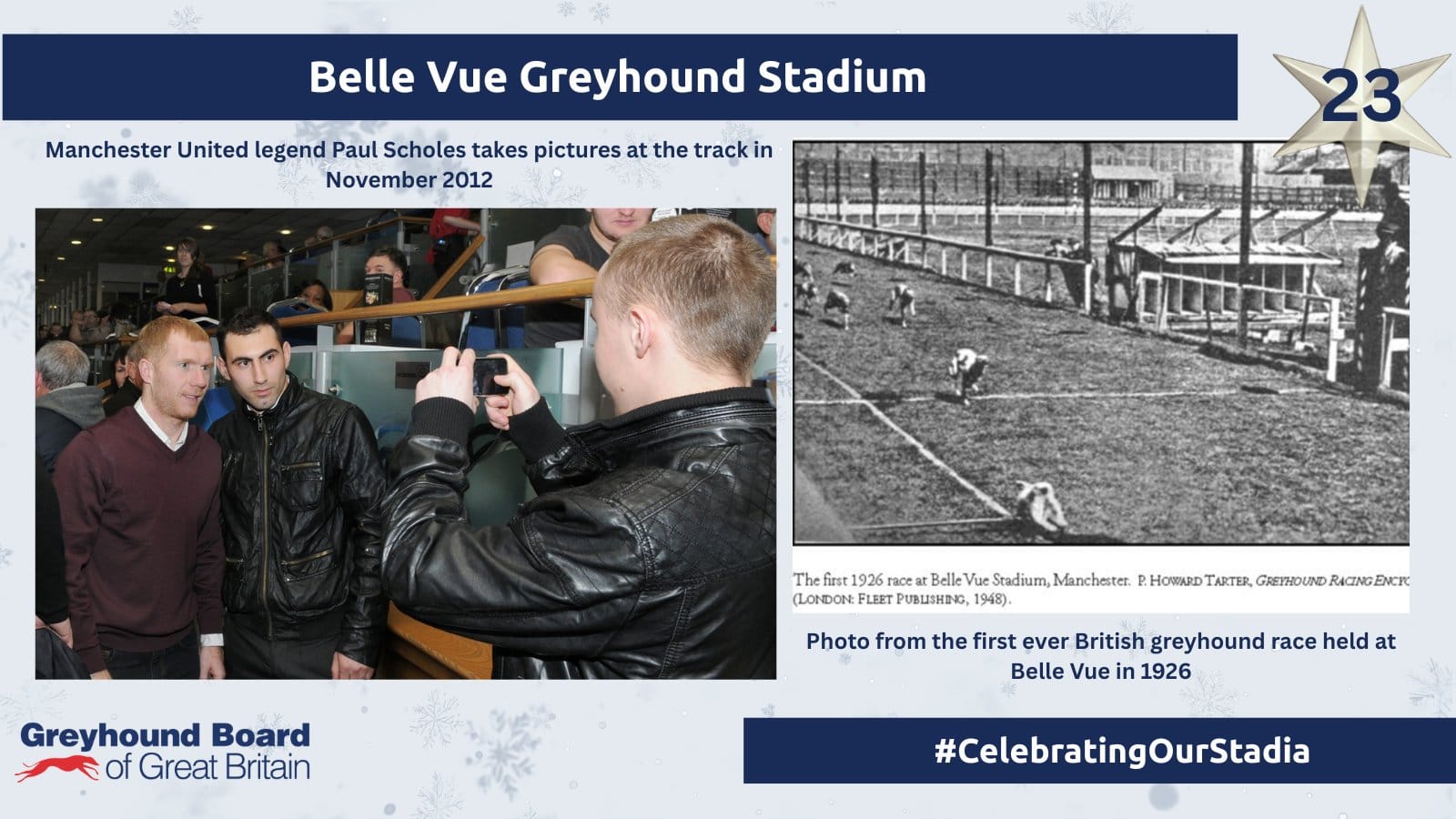
The centenary of greyhound racing in the UK in 2026 will, effectively, be commemorating Belle Vue in Manchester which was the first track to open for business on 24th July 1926 with the inaugural race won by Mistley.
During its lifetime until it was closed following the pandemic in 2020, Belle Vue hosted Classics such as the Cesarewitch, Gold Collar, Laurels and Scurry as well as traditional 'home' competitions including the Gorton Cup, Northern Flat and Manchester Puppy Cup.
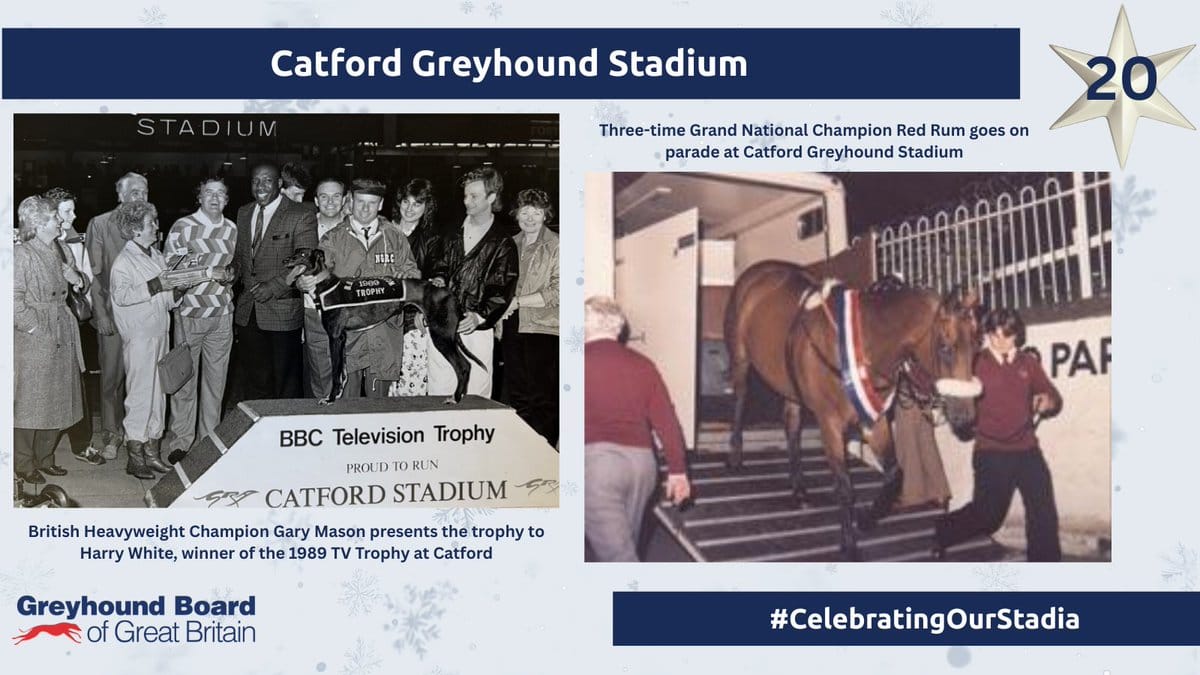
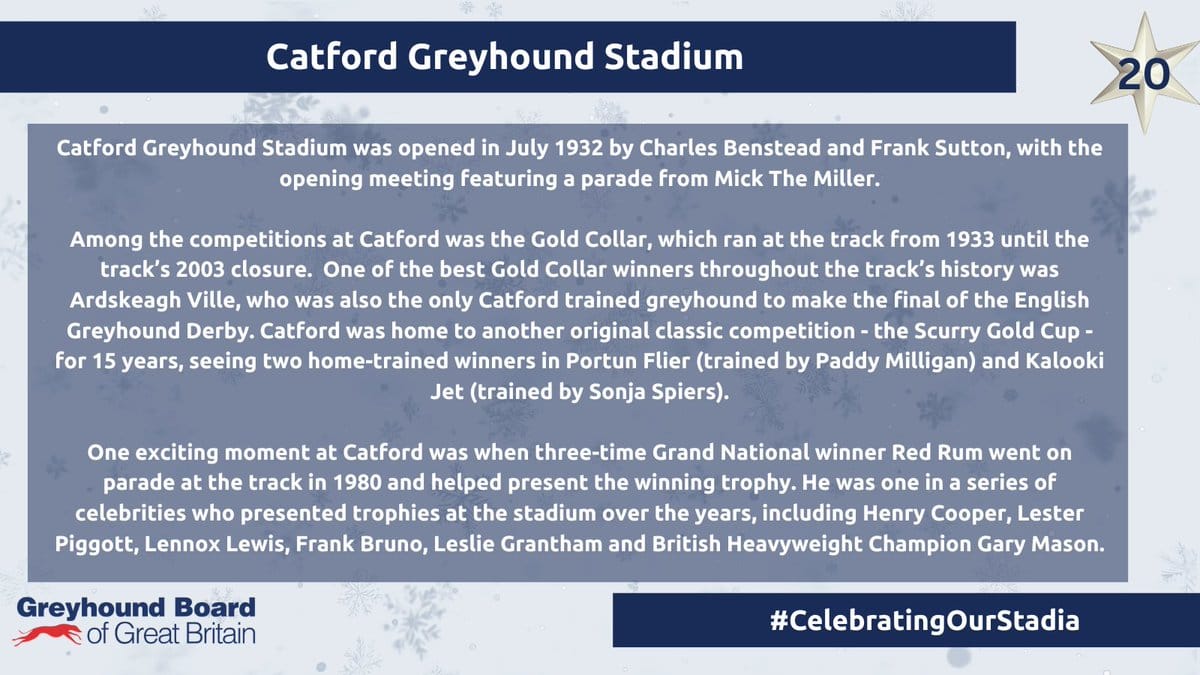
Catford was the pride of south-east London greyhound racing and a hugely atmospheric venue squeezed between two busy railway lines.
Gold Collar final night, along with the Boxing Day Marathon, were the two major annual highlights with Collar sponsor John Humphreys regularly attracting celebrities from all walks of life to present the winner's trophy.
As well as the Gold Collar, Catford also staged the Scurry Gold Cup for many years prior to sudden closure in 2003.
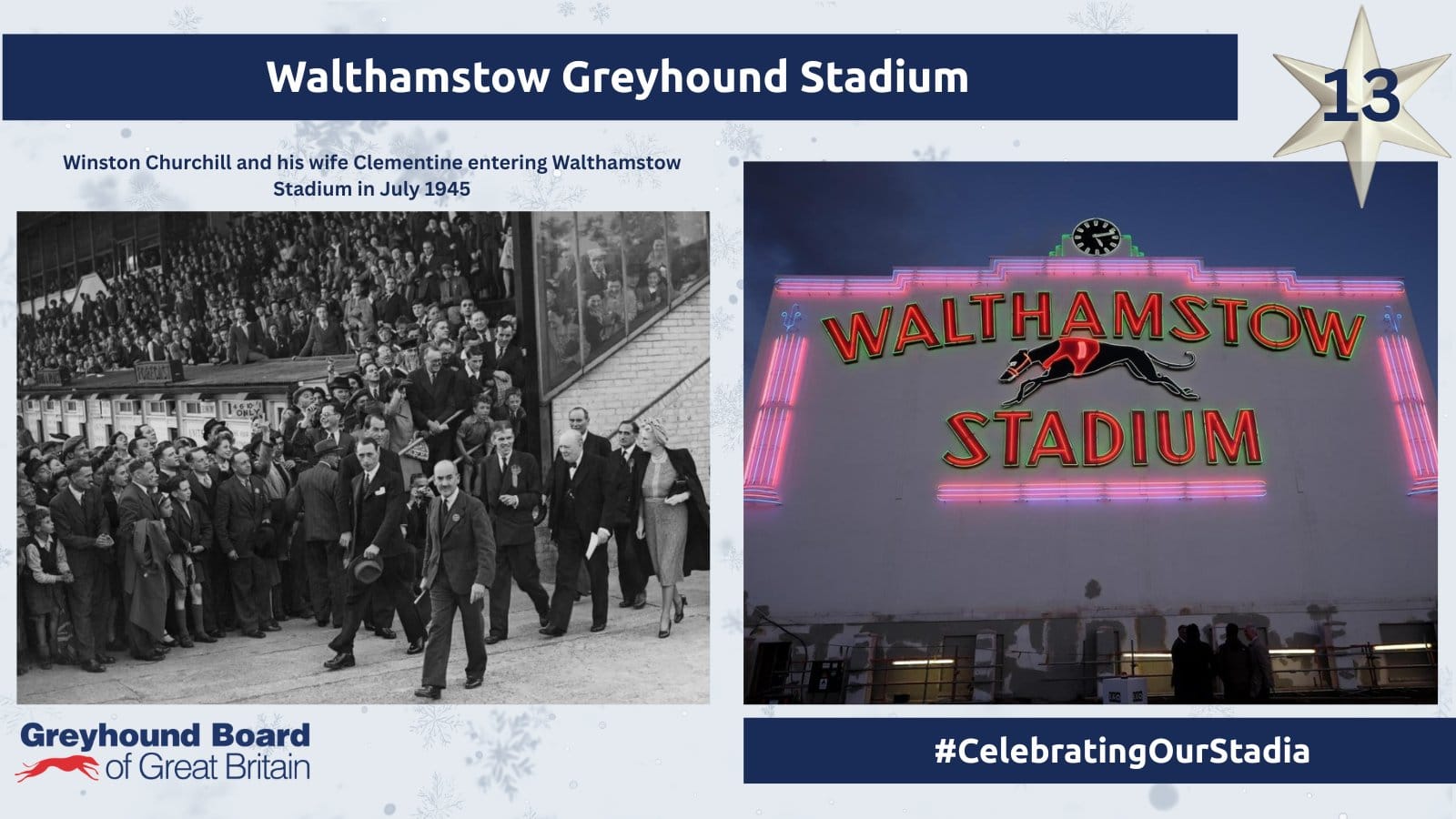
Walthamstow was British greyhound racing's flagship venue known for its style which was on view before you even entered thanks to the iconic entrance sign below - it survived the redevelopment of the site for flats following closure in 2008 as a Grade II listed feature and symbol of the area.
The Stow staged a number of major competitions with the Grand Prix ultimately awarded Classic status. The final race in August 2008 was won by Mountjoy Diamond after which there was a concerted campaign to keep the stadium out of the hands of developers only for planning permission to be granted some four years later.
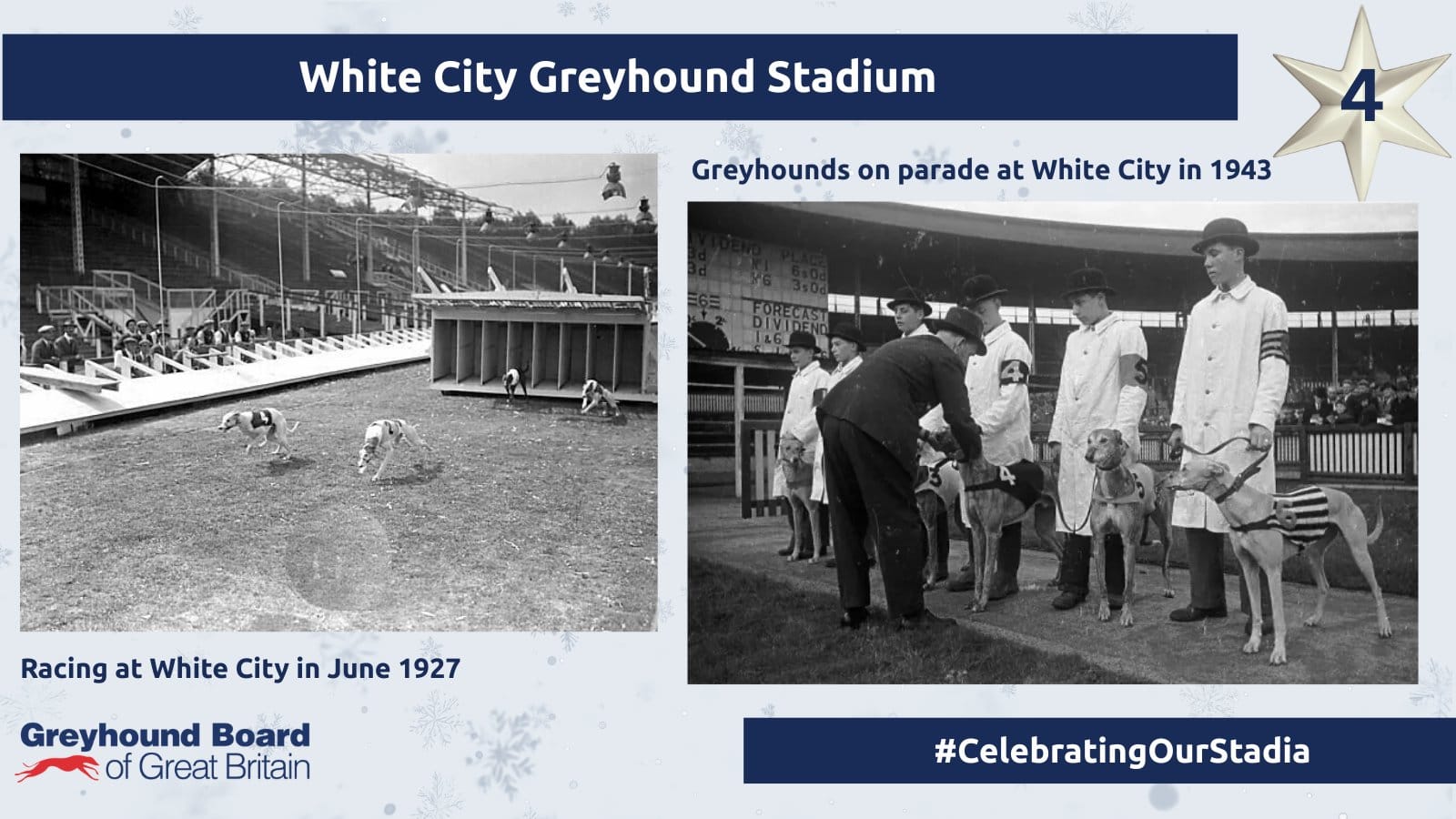
White City in London was the HQ of greyhound racing in the UK for almost 60 years and is still much-missed more than 40 years after its closure. Home of the Greyhound Derby until 1984, it attracted huge crowds during the greyhound racing boom years immediately post-World War Two.
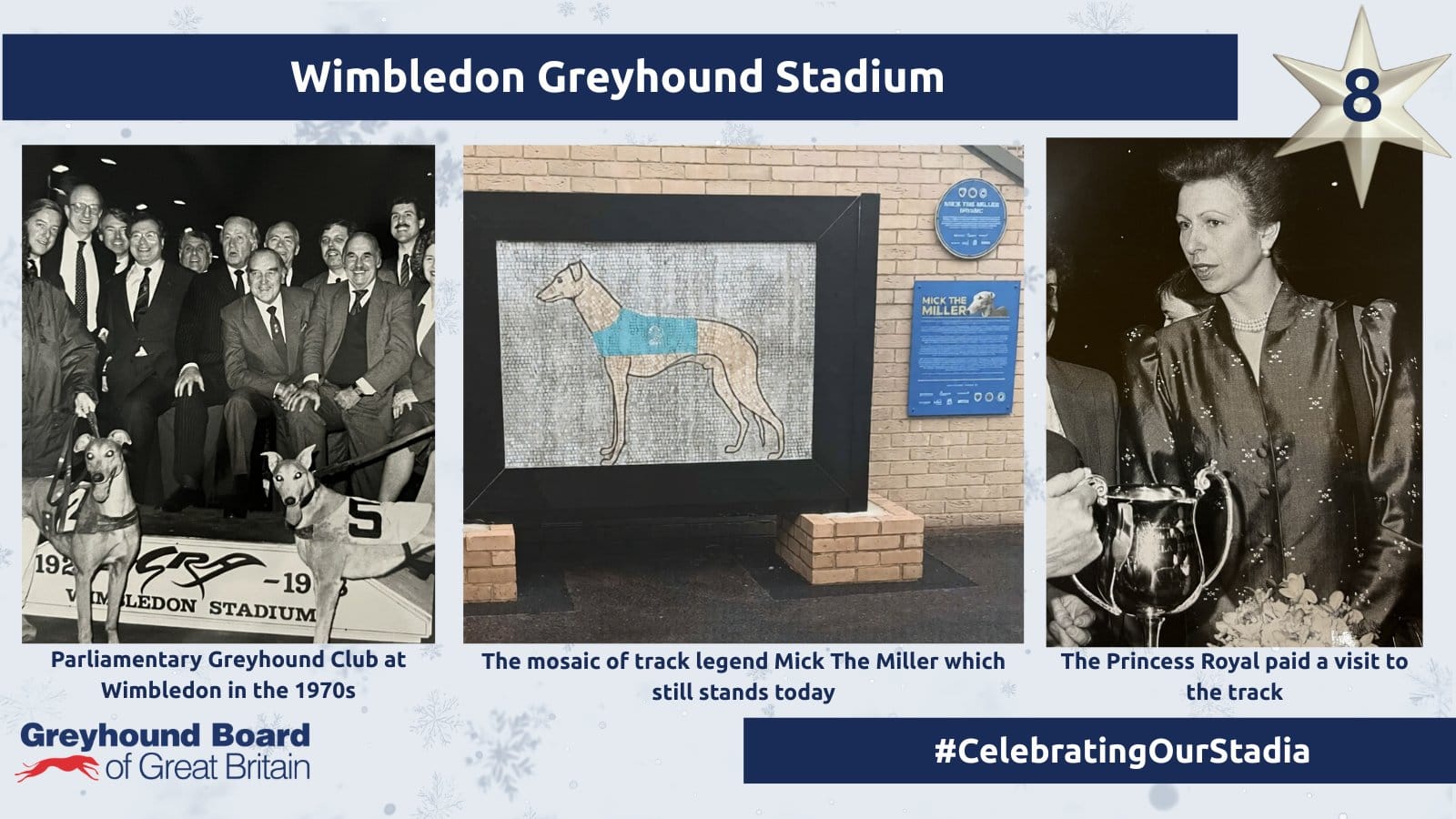
A slightly more recent blast from the past is Wimbledon Stadium which took over the mantle as English Derby host venue from White City in 1985 and held the premier Classic right through to 2016 before closing early the following year. It also hosted the Oaks, St Leger and Puppy Derby