
GBGB sets out case against ‘flawed’ Welsh Ban in Judicial Review
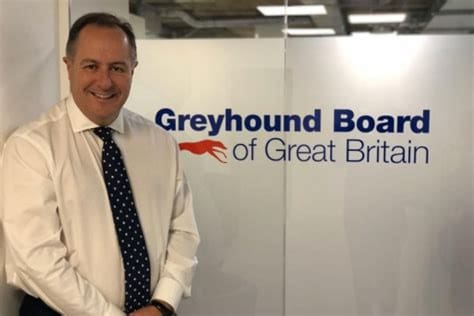
MARK BIRD, the GBGB chief executive, says the Judicial Review in the Welsh High Court this week into the proposed banning of greyhound racing in the country has “exposed the failures” in the process whatever the eventual outcome.
Bird said: “We are pleased to have had our day in court to set out our case against this flawed legislation.
“The Welsh Government always had the option to pursue regulation as a highly effective way to ensure the welfare of racing greyhounds.
“Instead, as the documents presented at the hearings show, they chose to pursue this misguided dodgy Bill even while being told by officials that there was insufficient consultation or evidence to support it.
“The lessons laid out raise serious alarm bells not just about the treatment of this Bill and our sport but for the wider legislative process.
“We hope the Court comes to the right conclusion when a judgment is handed down but, in any case, the hearings have exposed the failures in evidence gathering and due diligence that we have been challenging throughout.”
The GBGB revealed that one of the pieces of evidence submitted at the hearing was the Ministerial Advice provided by officials ahead of the decision to ban outlining the lack of evidence and consultation.
This was sent to the Deputy First Minister [Huw Irranca-Davies MS] on 17th February 2025, which was one day before the decision to ban greyhound racing was announced, and three days before it was confirmed that the pursuit of a ban was part of a Budget deal with Jane Dodds MS:
Ministerial Advice dated 17th February 2025: “Any ban would carry a high risk of proceedings for judicial review being brought by those with linked business interests.
“Committing to a phased ban, would suggest that we have evidence supporting the need for a ban on welfare grounds.
“However, we lack this evidence without a comprehensive review of welfare standards and perceived issues.
"We have not consulted on imposing a phased ban, nor the extent of racing greyhound ownership, breeding, training and racing practices in Wales.
“We may need to undertake such an exercise in order to gain more data to support the development of policy and appropriate measures to achieve a phased ban.
“Based on the evidence to hand, including the recent consultation and analysis officials believe the option which offers the best balance of welfare gains is to license those who own and race greyhounds to help ensure the whole-life welfare of dogs is not compromised.
“This option would allow for further consideration of a ban in future years, in collecting the evidence required to reasonably justify, or otherwise."
A GBGB statement said: “The conclusions within the Ministerial Advice of course would seem to contradict numerous claims by the Deputy First Minister over the course of the Bill process that there is appropriate evidence to pursue a ban.
“For example, a Culture Committee hearing on 6th November last year, the Minister said: "Actually, we have very, very robust evidence of why there's a need for this legislation", which does not align with the Ministerial Advice given ahead of the decision to pursue a ban.”
The judges on the case were Lord Justice Lewis and Lord Justice Chamberlain.
The basis of GBGB's case is that appropriate consultation was not undertaken prior to the decision to ban, and that the decision and introduction of the Bill was therefore unlawful.